
headphones
Five years, three sub-products, and no logo: what the AirPods Max designer's interview leaves out
Eugene Whang's account of obsessive headphone design is charming, but it also explains why the $549 Max aged so slowly.
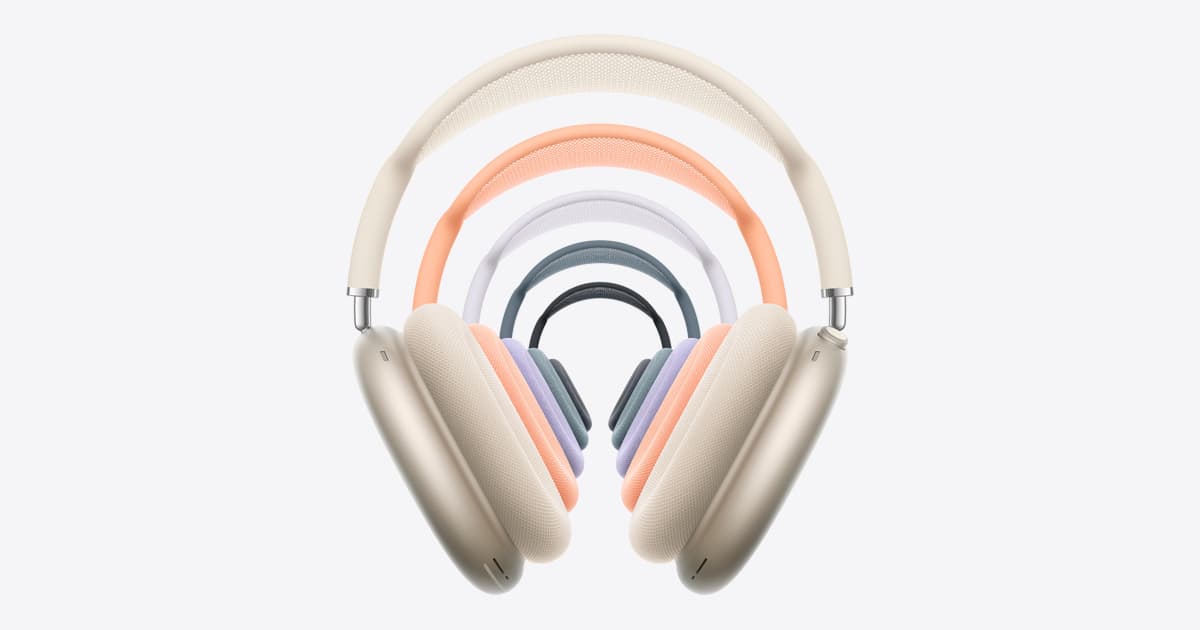
Eugene Whang's new Highsnobiety interview is the kind of design folklore Apple fans collect: 22 years at Cupertino, a cold call to a name plucked from an internal directory, then a quiet exit to follow Jony Ive to LoveFrom. The headline detail is that AirPods Max took roughly five years and was treated internally as three separate products, headband, case, and cushion, with hundreds of cushion prototypes built to accommodate the spread of human head shapes.
The other quotable bit is Whang's explanation for the unbranded earcups: Apple, he says, didn't want to brand your head. It is a nice line. It is also slightly revisionist for a company that puts a glowing logo on the back of every MacBook and a wordmark on the AirPods stem.
What the interview skirts is the awkward part of the AirPods Max story. The headphones shipped in December 2020 at $549, in a smart-case-that-isn't-really-a-case widely mocked as a bra, with a Lightning port that survived four full years until the USB-C refresh in September 2024. No active noise cancellation upgrades. No new transducer. New colors and a port. That is the entire public roadmap of a product Apple's own designer says occupied half a decade of his life.
Whang's romance of the process, hundreds of cushion samples, no logo, the headband as its own internal product, helps explain how Apple ends up here. When every component is sacred, replacing one is heresy. Sony has shipped three generations of the WH-1000X in the time it took AirPods Max to gain a different plug. Both philosophies have costs. Whang's interview captures one of them honestly, even if it doesn't mean to.
AirPods Max remains on sale at $549 in five colors, USB-C only, via Apple's store.
More to read
All stories →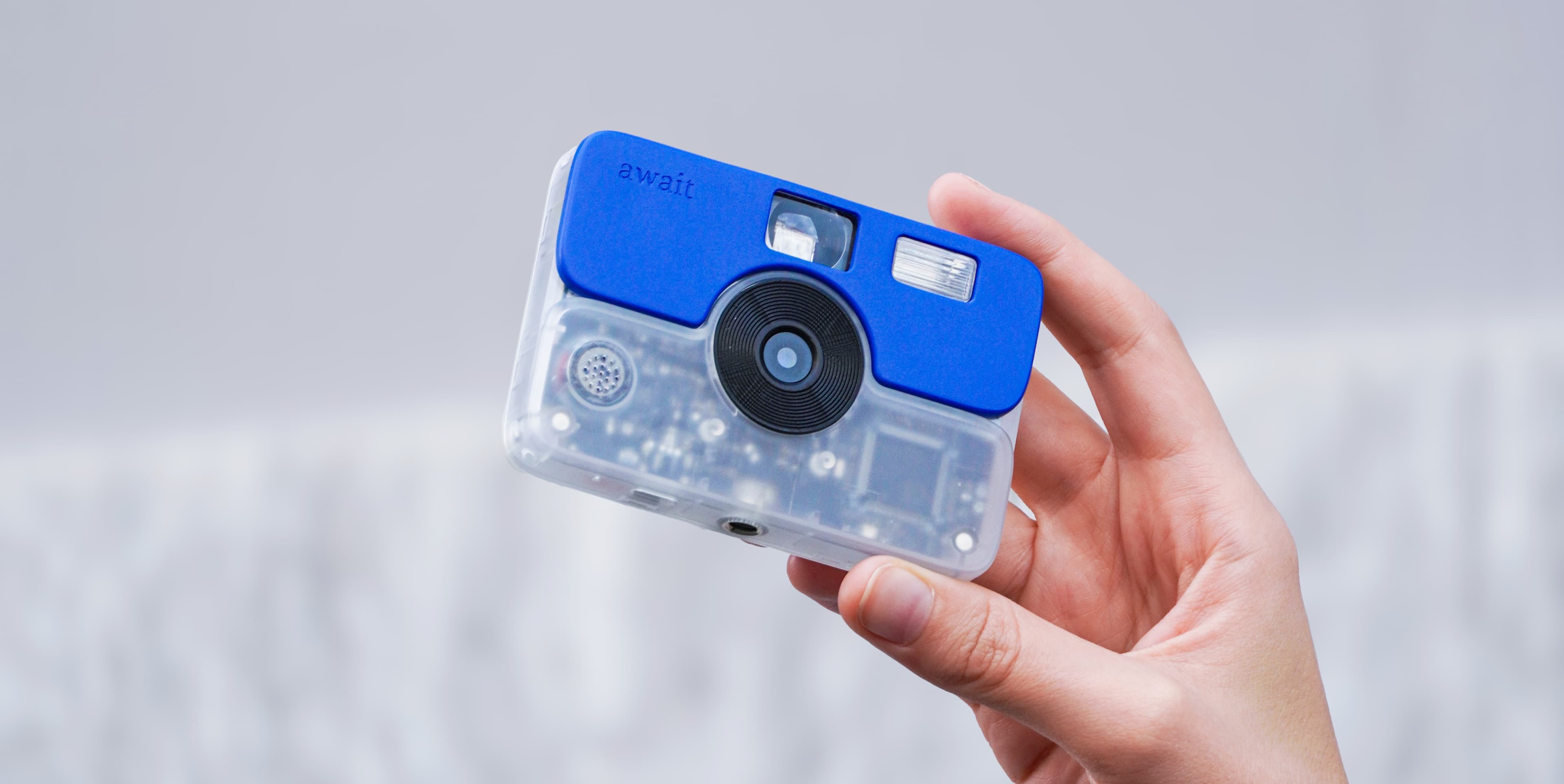
Cameras
I Spent a Week With a Camera That Refuses to Show Me My Photos. I Wanted to Hate It.
A skeptical hands-on with Await, the screenless camera that makes you wait for prints, ahead of its Kickstarter launch.

wearables
Your Smartwatch Is Not a Tricorder: What Wearables Actually Catch, and What Their AI Coaches Are Guessing
Wrist wearables have earned a narrow, real place in preventive care, but the list of clinically useful features is shorter than any keynote suggests. The new AI coaches do not change that math.
lifestyle
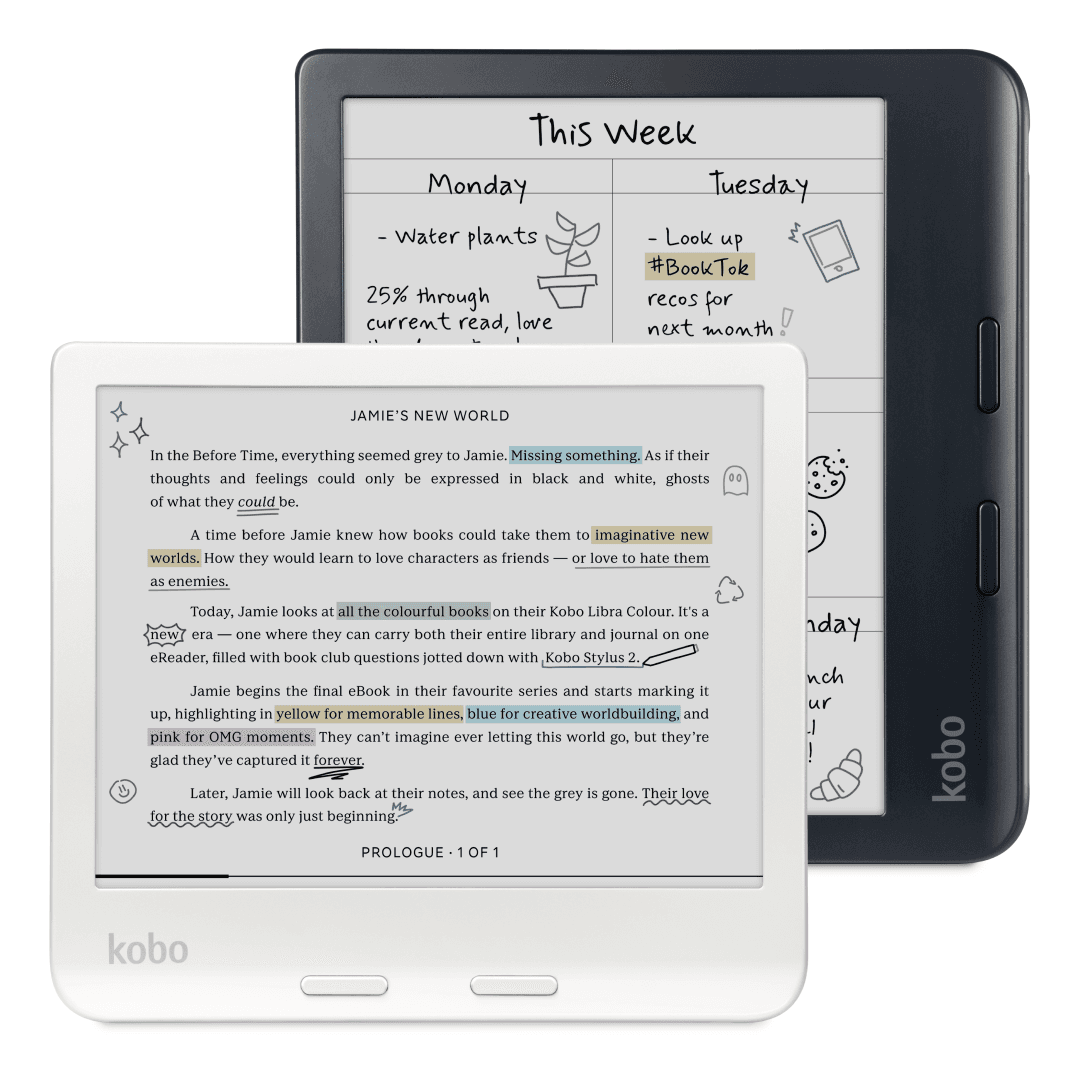
Kobo's Libra Colour discount just claws back the price hike it quietly slipped in weeks earlier
Kobo bumped the Libra Colour to $259.99, and now a coordinated sale brings it back to $229.99. Call it a deal if you want, but the math says you're paying yesterday's price.