
wearables
Google’s Fitbit Air is a $99 screenless tracker, and the first Fitbit in four years that’s actually new
Google Health app, week-long battery, A-fib alerts, 24/7 SpO2, and the unmistakable shape of the company finally taking Whoop seriously.
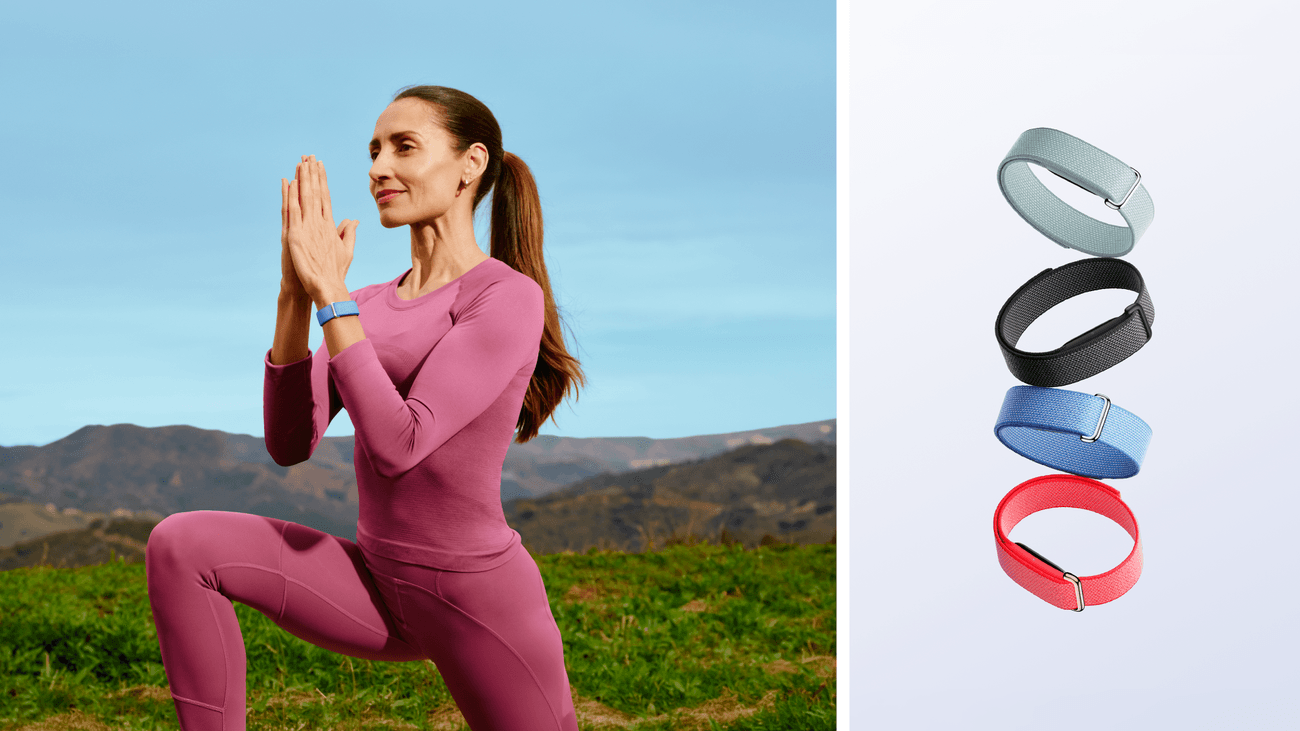
Google has done a lot to the Fitbit brand since the acquisition; what it has not done, until this week, is ship a meaningfully new tracker. The Fitbit Air, announced today at $99, is the first new Fitbit hardware in four years. It’s screenless. It pairs with a brand-new Google Health app. And it looks, very much intentionally, like Whoop.
The hardware is the right kind of unambitious. A small modular sensor pod that slides into a fabric band, swap the band, you change the look, and an entirely screenless front face. The Fitbit Air does 24/7 heart rate, heart rate variability, SpO2, A-fib alerts, sleep tracking, and the new “Fitbit Sense” set of stress-signal metrics. The battery lasts a week. It charges in five minutes.
The pitch is the price. Whoop is $20 a month plus you pay for the hardware. Oura is $349 plus $69/year for the membership. Fitbit Premium is bundled but optional. At $99 with three months of Google Health Premium and free use of the core tracking, the Air doesn’t have to beat Whoop on accuracy, it just has to be close, and a third of the cost.
The interesting strategic question is the Google Health app, which Google introduced alongside the Air. The app is a rebranded, deeply rebuilt Fitbit app, it now feeds into the same Gemini-powered “Health Coach” that the Pixel Watch and Pixel phones already have. That makes the Air the cheapest way into the Google Health ecosystem, and Google’s first plausible answer to Apple Watch’s grip on iOS users who would happily buy an Android health device if it cost less than a Watch.
Pre-orders open today, ships May 26. Google’s announcement is on the Google Blog.
More to read
All stories →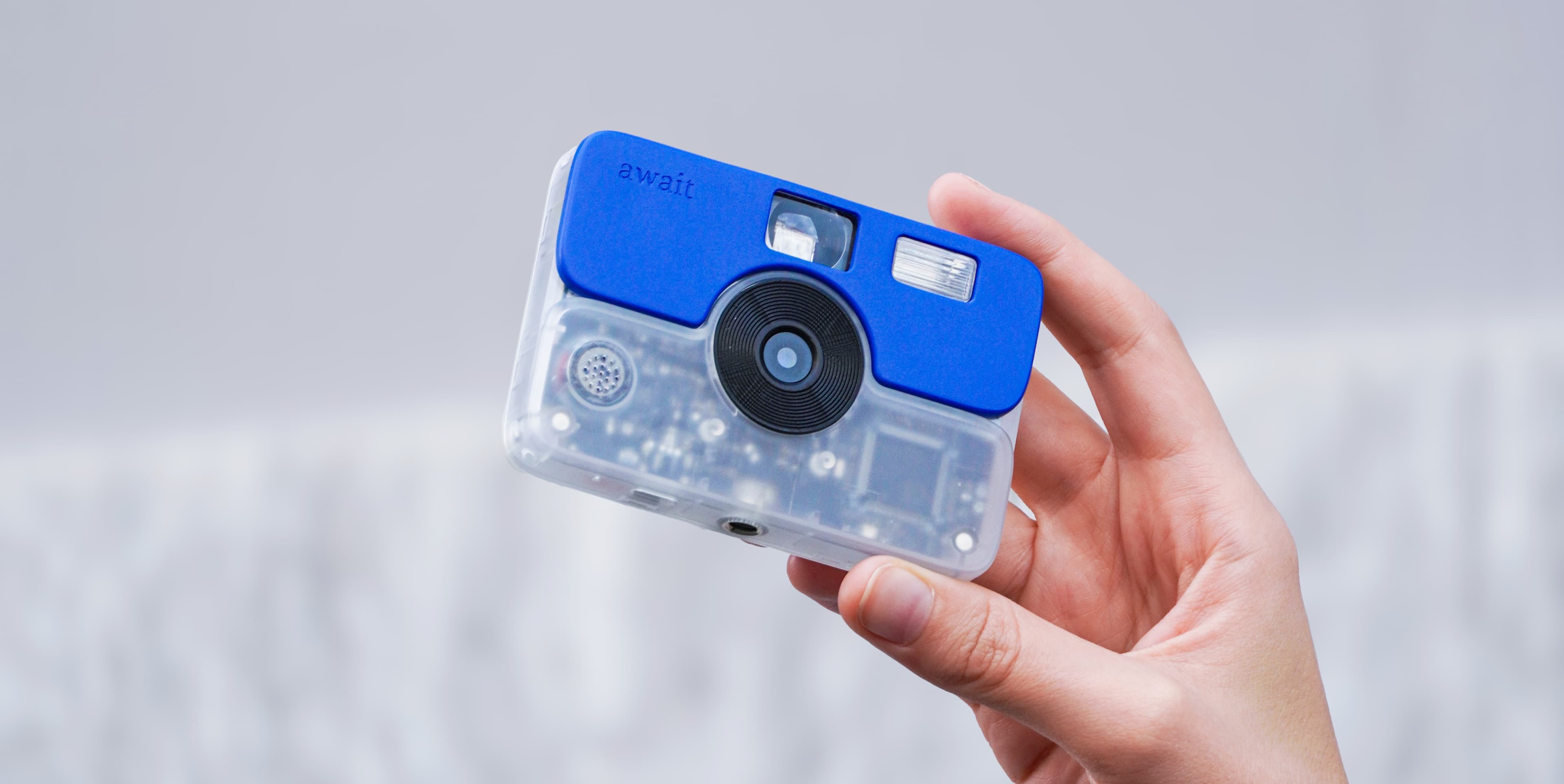
Cameras
I Spent a Week With a Camera That Refuses to Show Me My Photos. I Wanted to Hate It.
A skeptical hands-on with Await, the screenless camera that makes you wait for prints, ahead of its Kickstarter launch.

wearables
Your Smartwatch Is Not a Tricorder: What Wearables Actually Catch, and What Their AI Coaches Are Guessing
Wrist wearables have earned a narrow, real place in preventive care, but the list of clinically useful features is shorter than any keynote suggests. The new AI coaches do not change that math.
lifestyle
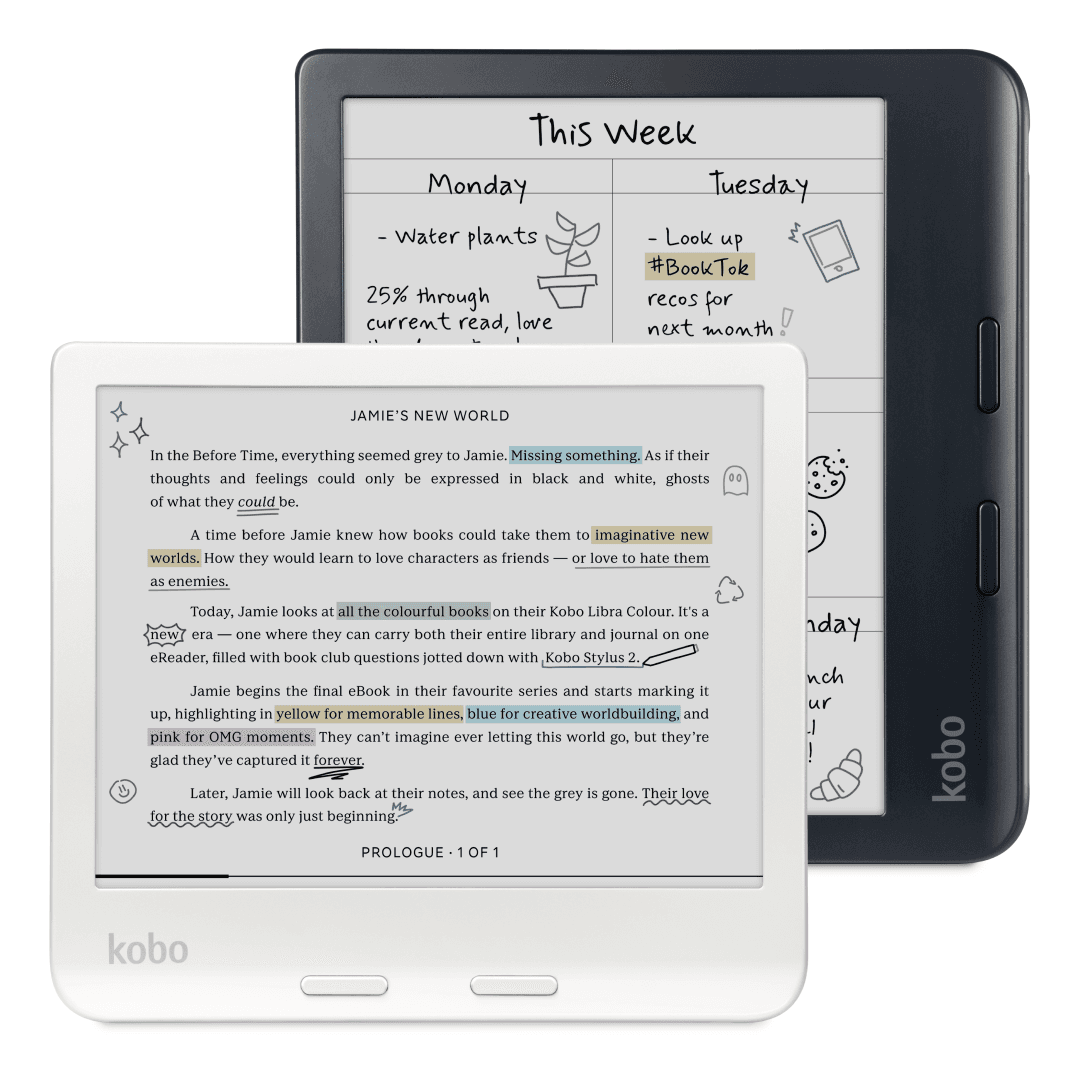
Kobo's Libra Colour discount just claws back the price hike it quietly slipped in weeks earlier
Kobo bumped the Libra Colour to $259.99, and now a coordinated sale brings it back to $229.99. Call it a deal if you want, but the math says you're paying yesterday's price.