
audio
Sony’s WF-1000XM6 is the ANC earbud refinement nobody really needed and everyone will probably buy anyway
25% more noise cancellation, an 11% smaller body, DSEE Ultimate AI upscaling, Sony’s flagship earbuds get their second iteration.

The WF-1000XM5 was so well-reviewed that the XM6 has the same problem the iPhone has every September: prove it. Sony’s pitch is incremental, 25% more noise cancellation than the XM5, an 11% slimmer housing, a new processor for DSEE Ultimate, the AI-driven audio upscaler, and the marketing is honest enough not to oversell the gap.
The smaller body is the real day-to-day change. The XM5 was, for a lot of ears, exactly one millimeter too big, the kind of fit you tolerated for the sound. The XM6’s new shape was developed from a scan of more than 3,000 ear shapes, and the reduction is genuine. Long-wear comfort improves; the case is also smaller, which is a quieter but more universally appreciated upgrade.
ANC improvements come from a new dual-processor architecture and an updated mic array. Sony claims the XM6 cancels meaningful amounts of higher-frequency speech bands, the office cafeteria problem, that the XM5 only partially handled. Independent reviews will land before March, and Sony’s claims here are reasonable enough that they’re likely to hold.
The headline new feature is DSEE Ultimate, an AI upscaler that takes compressed audio (Spotify, Apple Music AAC, YouTube) and reconstructs high-frequency information that lossy encoders strip out. It’s the same idea as Sony’s earlier DSEE HX but with a noticeably better-sounding model. Whether you can tell the difference will depend on the source and on your ears.
The XM6 launches globally on February 23 at €299, same as the XM5 at launch. Details on Sony’s product page.
More to read
All stories →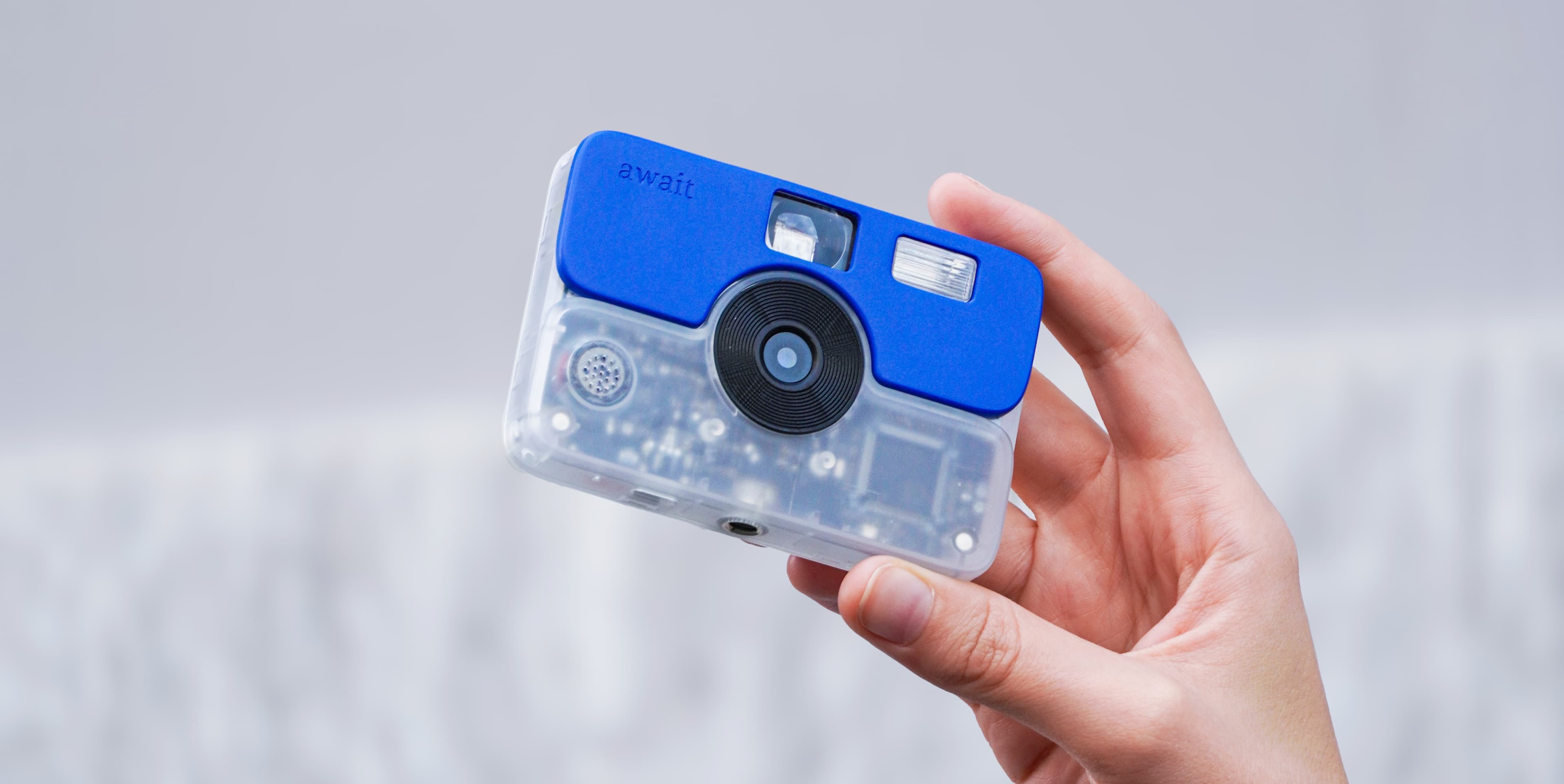
Cameras
I Spent a Week With a Camera That Refuses to Show Me My Photos. I Wanted to Hate It.
A skeptical hands-on with Await, the screenless camera that makes you wait for prints, ahead of its Kickstarter launch.

wearables
Your Smartwatch Is Not a Tricorder: What Wearables Actually Catch, and What Their AI Coaches Are Guessing
Wrist wearables have earned a narrow, real place in preventive care, but the list of clinically useful features is shorter than any keynote suggests. The new AI coaches do not change that math.
lifestyle
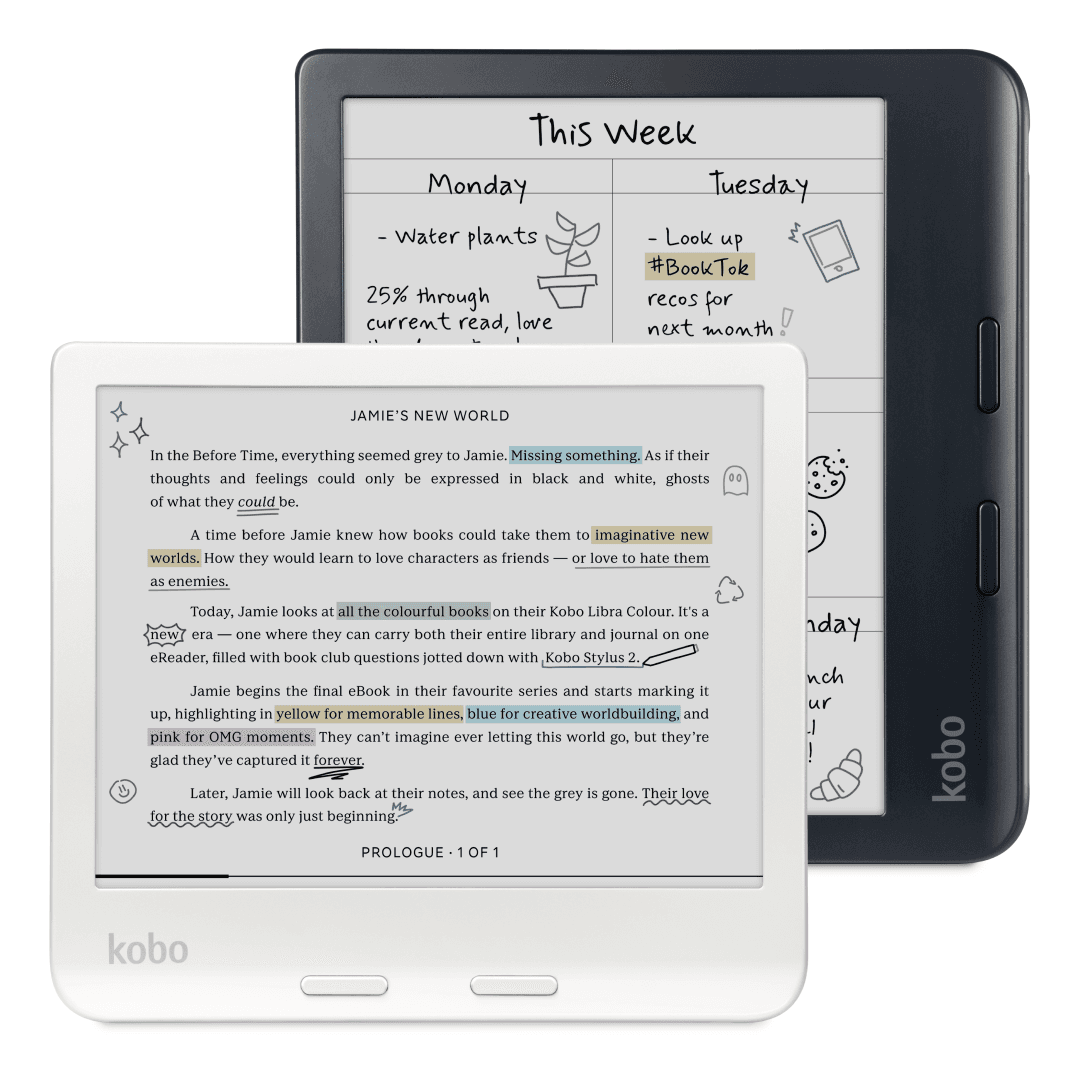
Kobo's Libra Colour discount just claws back the price hike it quietly slipped in weeks earlier
Kobo bumped the Libra Colour to $259.99, and now a coordinated sale brings it back to $229.99. Call it a deal if you want, but the math says you're paying yesterday's price.