
wearables
Google Health Replaces the Fitbit App, and the AI Coach Has Already Taken Over the Home Screen
Launched alongside the new Fitbit Air, the rebuilt app buries workout logs under chatbot small talk and tile limits
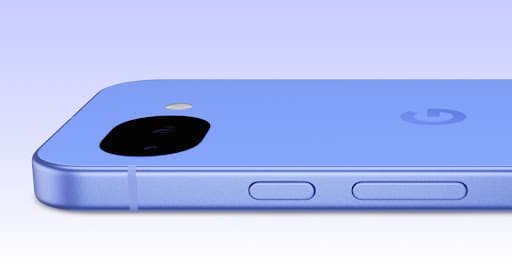
Five years after acquiring Fitbit for $2.1 billion, Google has finally done the thing Fitbit owners have been bracing for: the Fitbit app is gone, replaced this week by Google Health alongside the launch of the new Fitbit Air. The redesign is not a refresh. It is a philosophical rewrite, and the philosophy is that you would rather chat with a bot than look at your step count.
Open the new app and the top of the Today screen is dominated by a small stats tile and a much larger panel reserved for the AI health coach and recent activity notes. There are only two large tiles, no scrolling expansion, and no obvious way to hide the Ask Coach window. You can disable the bot entirely inside Feature Privacy Controls, but its real estate stays. Users on Google's own help forums are blunt: complaints range from "AI slop" on every tab to the simple plea to bring back what worked.
The bigger issue is information architecture. In the old Fitbit app, an exercise log lived one scroll away on the home screen. In Google Health, finding a rowing session means tapping into Health, then Focus areas, then Fitness, then Exercise days. Google says connecting a supported wearable unlocks dedicated Fitness and Sleep tabs that smooth this over, but third-party watches are not yet supported. If you paired something like a Nothing Watch Pro 3, you get the cluttered base experience and nothing else.
There is a defensible product story buried in here. Some users genuinely like asking the coach to build a circuit workout around office gym equipment, or backfilling a missed sleep log by chatting. That is fine. The problem is the lack of an opt-out for people who simply want a dashboard. A fitness app should let you see your run before it tells you how it felt about your run.
Google Health is rolling out now to existing Fitbit accounts. Details and the supported-device list are on Google's wearables hub.
More to read
All stories →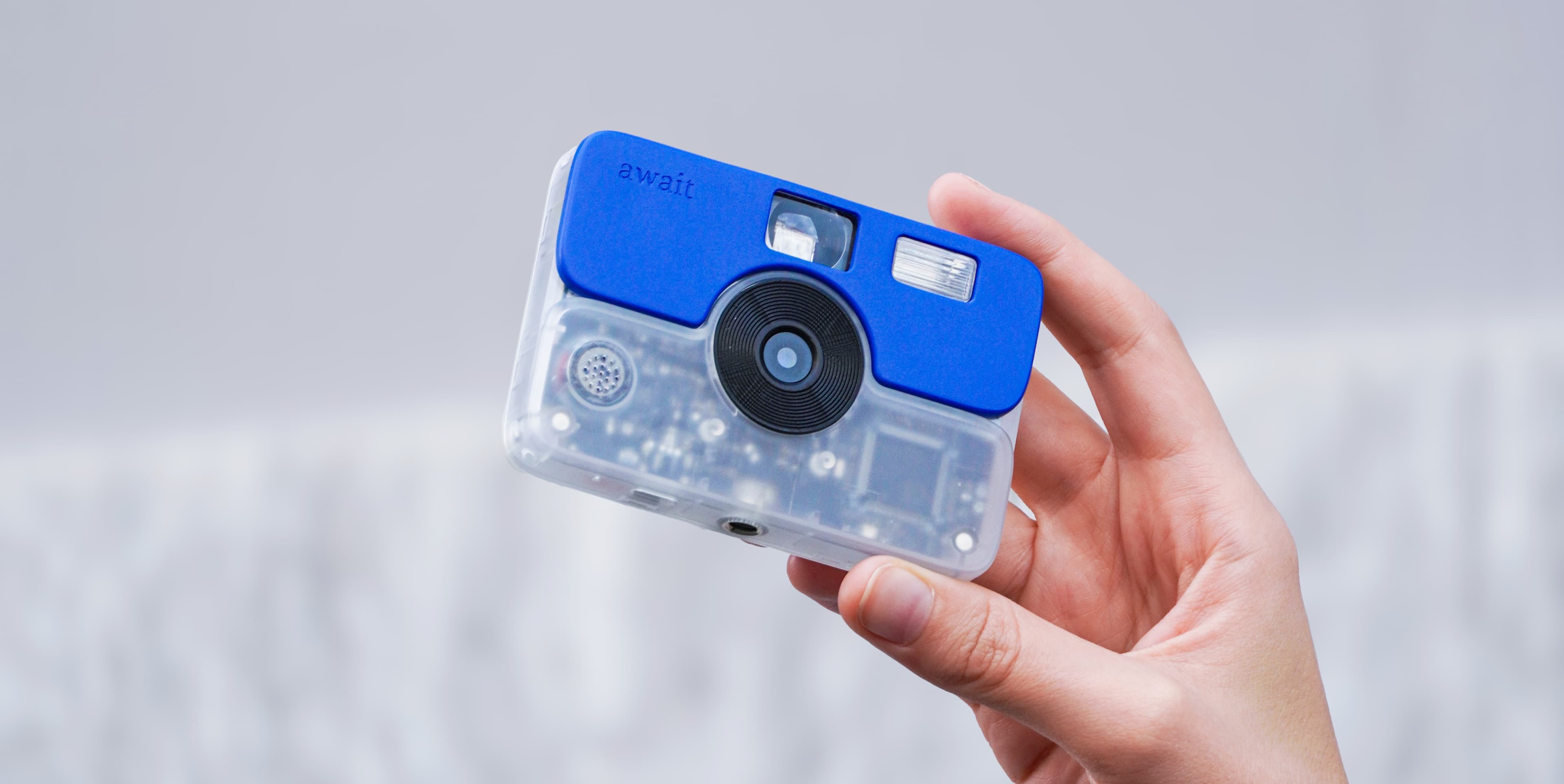
Cameras
I Spent a Week With a Camera That Refuses to Show Me My Photos. I Wanted to Hate It.
A skeptical hands-on with Await, the screenless camera that makes you wait for prints, ahead of its Kickstarter launch.

wearables
Your Smartwatch Is Not a Tricorder: What Wearables Actually Catch, and What Their AI Coaches Are Guessing
Wrist wearables have earned a narrow, real place in preventive care, but the list of clinically useful features is shorter than any keynote suggests. The new AI coaches do not change that math.
lifestyle
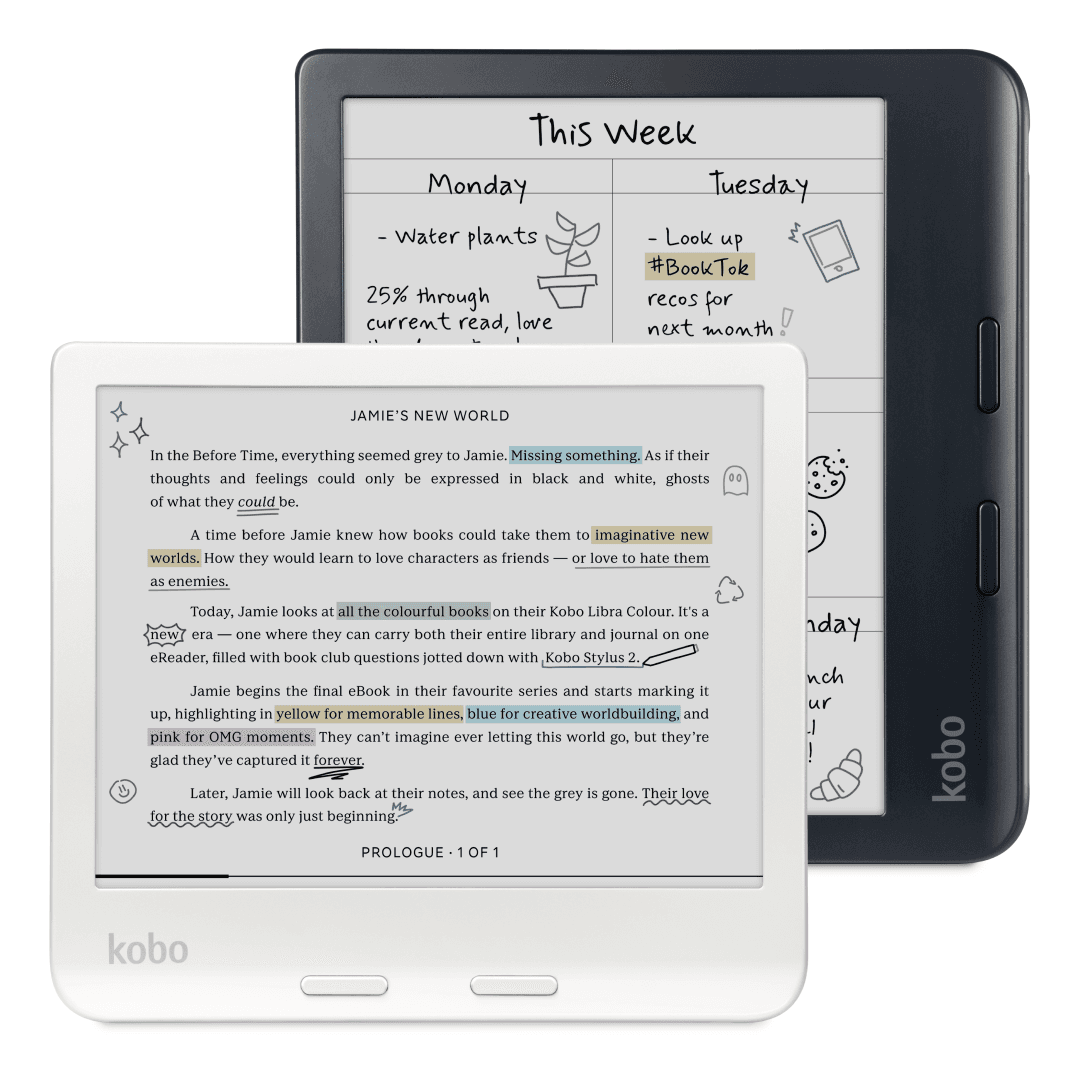
Kobo's Libra Colour discount just claws back the price hike it quietly slipped in weeks earlier
Kobo bumped the Libra Colour to $259.99, and now a coordinated sale brings it back to $229.99. Call it a deal if you want, but the math says you're paying yesterday's price.