
wearables
Sharp's Karada Mate Watch borrows a decade-old calorie sensor trick that HEALBE could never quite prove works
Passive calorie tracking sounds like a wearable holy grail. The technology powering Sharp's debut watch has been kicking around since 2014.
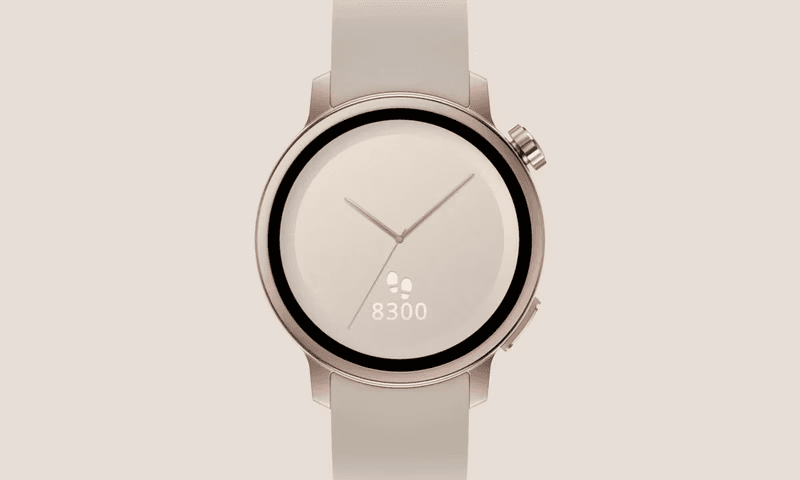
Passive calorie intake tracking is the feature every fitness wearable maker wants and none has shipped convincingly. Sharp's first smartwatch, the Karada Mate Watch, claims to crack it by reading body water and blood sugar shifts through the skin. The bigger story is who Sharp partnered with to do it, and why that should give buyers pause.
The estimation engine comes from HEALBE Corporation, the same outfit that has been selling its FLOW bioimpedance algorithm in GoBe wristbands since a controversial 2014 Indiegogo campaign. Independent reviewers have spent the decade since publishing wildly mixed results, with calorie estimates drifting by hundreds of kilocalories against food diaries and lab measurements. Sharp is essentially licensing a technology whose central premise, that fluid and glucose movements through tissue map cleanly onto calories eaten, has never had a rigorous, peer-reviewed validation against gold-standard metabolic testing.
That is a shame, because the rest of the Karada Mate Watch is genuinely competent. A 1.32-inch OLED at 466 x 466 with always-on support, Gorilla Glass 5, skin temperature sensor, SpO2, Bluetooth 5.4, 5 ATM water resistance and IP6X dust rating put it on spec parity with Garmin and mid-tier Galaxy Watches. Sharp's Circuit View interface, which rotates between morning briefing, daytime activity, and evening planning, is a small but thoughtful idea most Wear OS faces still bungle.
There is also a soft subscription play. The companion Karada Mate app costs 600 yen per month (around $4) for dietitian-supervised guidance on diet, sleep, and exercise. Pair that with calorie estimates of uncertain accuracy and you have a coaching service whose foundational metric may be politely described as suggestive. For users prone to disordered eating, a watch confidently announcing fictitious calorie figures is not a neutral feature.
The Karada Mate Watch launches in Japan on July 9 at 59,400 yen (about $370) in gold and silver, with no international release announced. Sharp's product page is here.
More to read
All stories →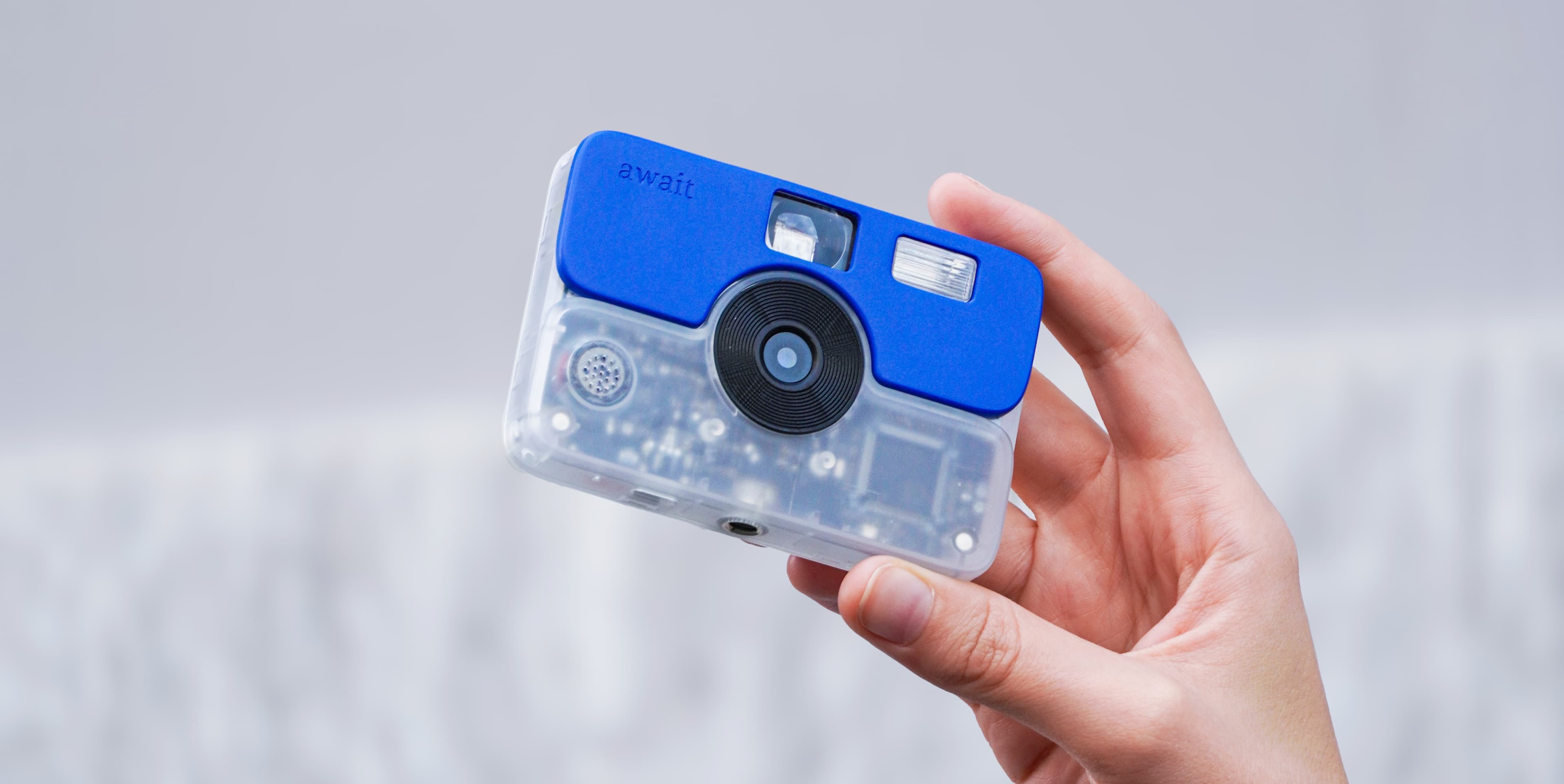
Cameras
I Spent a Week With a Camera That Refuses to Show Me My Photos. I Wanted to Hate It.
A skeptical hands-on with Await, the screenless camera that makes you wait for prints, ahead of its Kickstarter launch.

wearables
Your Smartwatch Is Not a Tricorder: What Wearables Actually Catch, and What Their AI Coaches Are Guessing
Wrist wearables have earned a narrow, real place in preventive care, but the list of clinically useful features is shorter than any keynote suggests. The new AI coaches do not change that math.

lifestyle
Kobo's Libra Colour discount just claws back the price hike it quietly slipped in weeks earlier
Kobo bumped the Libra Colour to $259.99, and now a coordinated sale brings it back to $229.99. Call it a deal if you want, but the math says you're paying yesterday's price.