
wearables
Your Smartwatch Is Not a Tricorder: What Wearables Actually Catch, and What Their AI Coaches Are Guessing
AFib alerts and step counts hold up in the clinic. Recovery scores, blood pressure readings and chatbot health advice mostly do not.
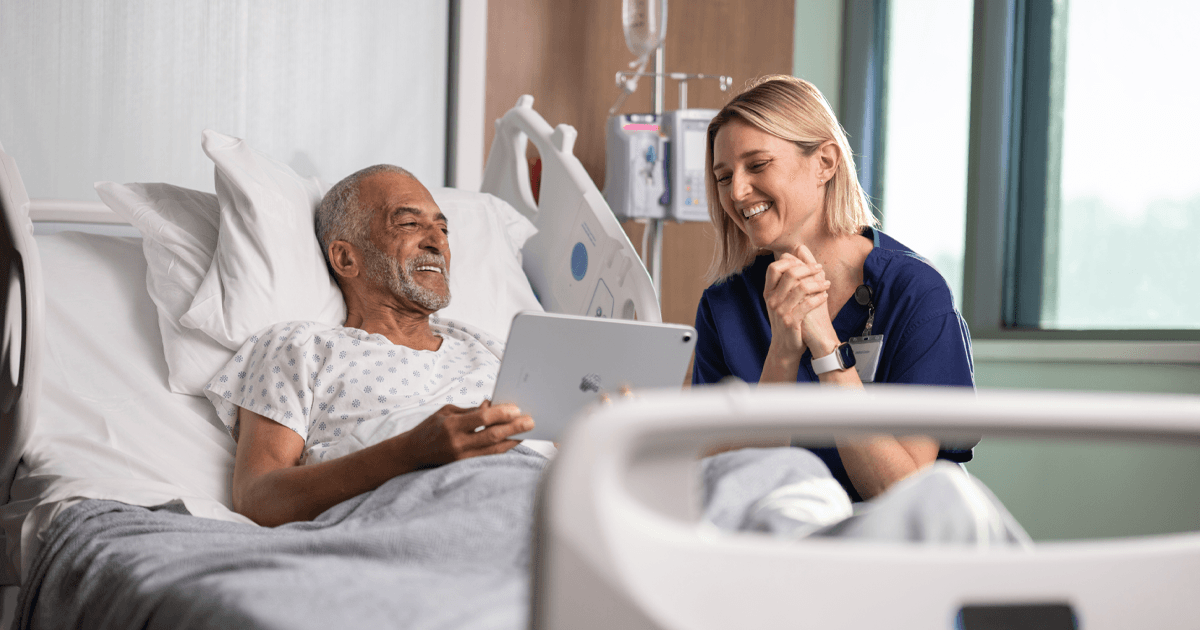
The most honest thing you can say about a modern smartwatch is that it is a very good change-detector strapped to a very confident marketing department. It notices when your resting heart rate drifts. It does not know why. That gap, between noticing and knowing, is where nearly every overselling of wearable health tech happens.
Start with what actually holds up. Apple's own irregular rhythm study found the Watch's alerts corresponded to atrial fibrillation 84 percent of the time, which is why cardiologists tend to treat it as a real screening tool rather than a novelty. Basic sleep duration and step counts also survive clinical scrutiny. That is close to the entire list. Blood pressure estimates, sleep-stage breakdowns, calorie burn, VO2 max, heart rate variability and every proprietary Readiness or Recovery score sit somewhere between suggestive and vibes-based.
The more interesting frontier is multi-signal detection. A Texas A&M and Stanford study suggested wearables can flag physiological responses to COVID-19 or influenza within hours of infection, and modeled that earlier isolation could cut pandemic transmission by up to 50 percent. Worth noting: the watch is not detecting a virus, it is detecting your immune system throwing a party. Hangovers and bad sleep produce similar fireworks.
Which brings us to the AI coach arms race. Oura's Symptom Radar, Whoop's advisor, Apple's Vitals, Google's Gemini-powered Health Coach: all of them stitch baseline data together and hand you a plain-English nudge. The unspoken problem is that opaque LLM output is even harder for a physician to act on than an opaque recovery score. It is a black box wrapped around a black box, and the failure mode is not a missed diagnosis. It is a user who reads a chatbot's reassurance and skips the appointment.
Apple's AFib feature remains the clearest example of a wearable metric doctors will actually use. Details on the FDA-cleared irregular rhythm notifications and ECG app are on Apple's Apple Watch healthcare page.
More to read
All stories →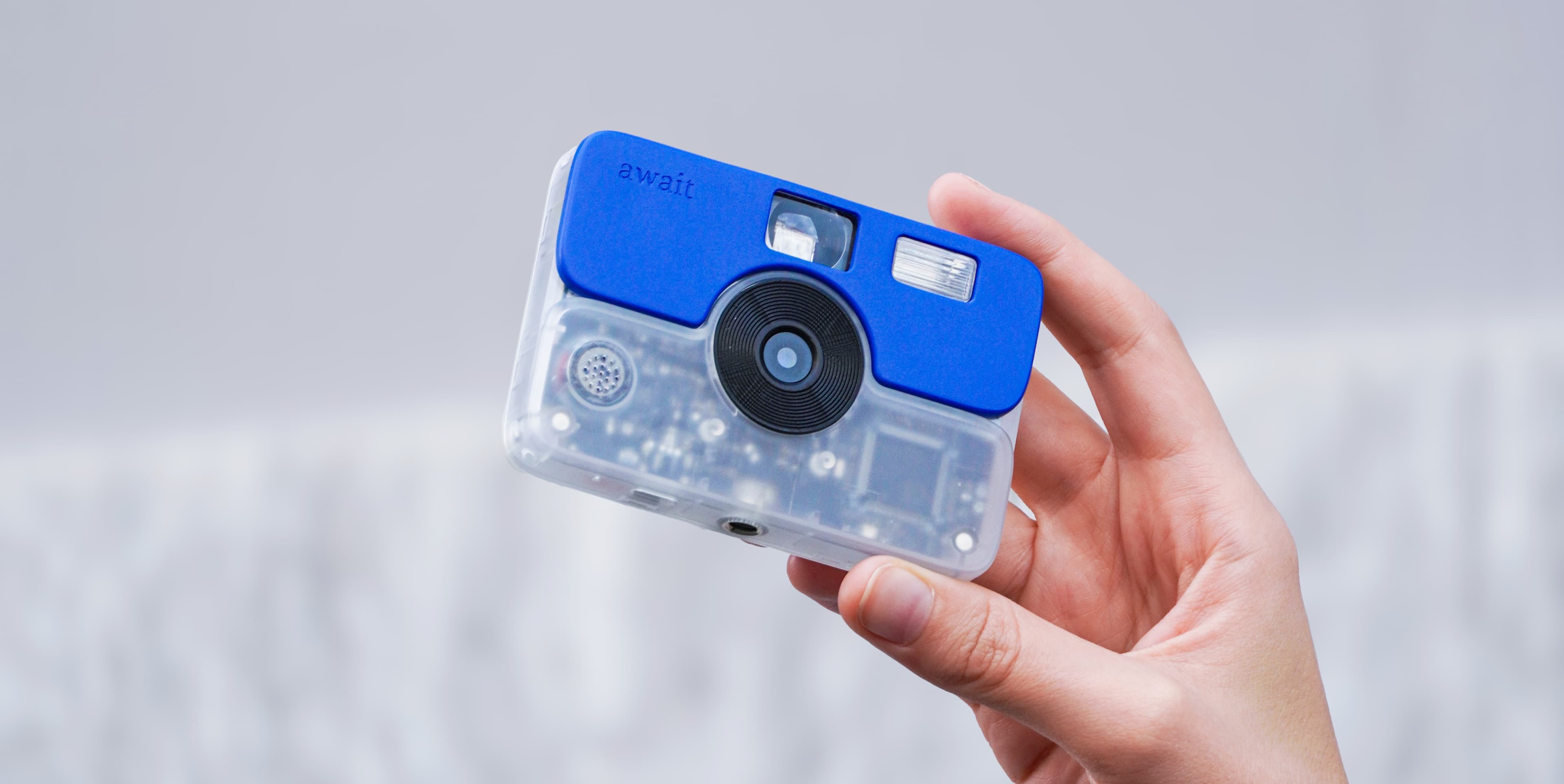
Cameras
I Spent a Week With a Camera That Refuses to Show Me My Photos. I Wanted to Hate It.
A skeptical hands-on with Await, the screenless camera that makes you wait for prints, ahead of its Kickstarter launch.
lifestyle
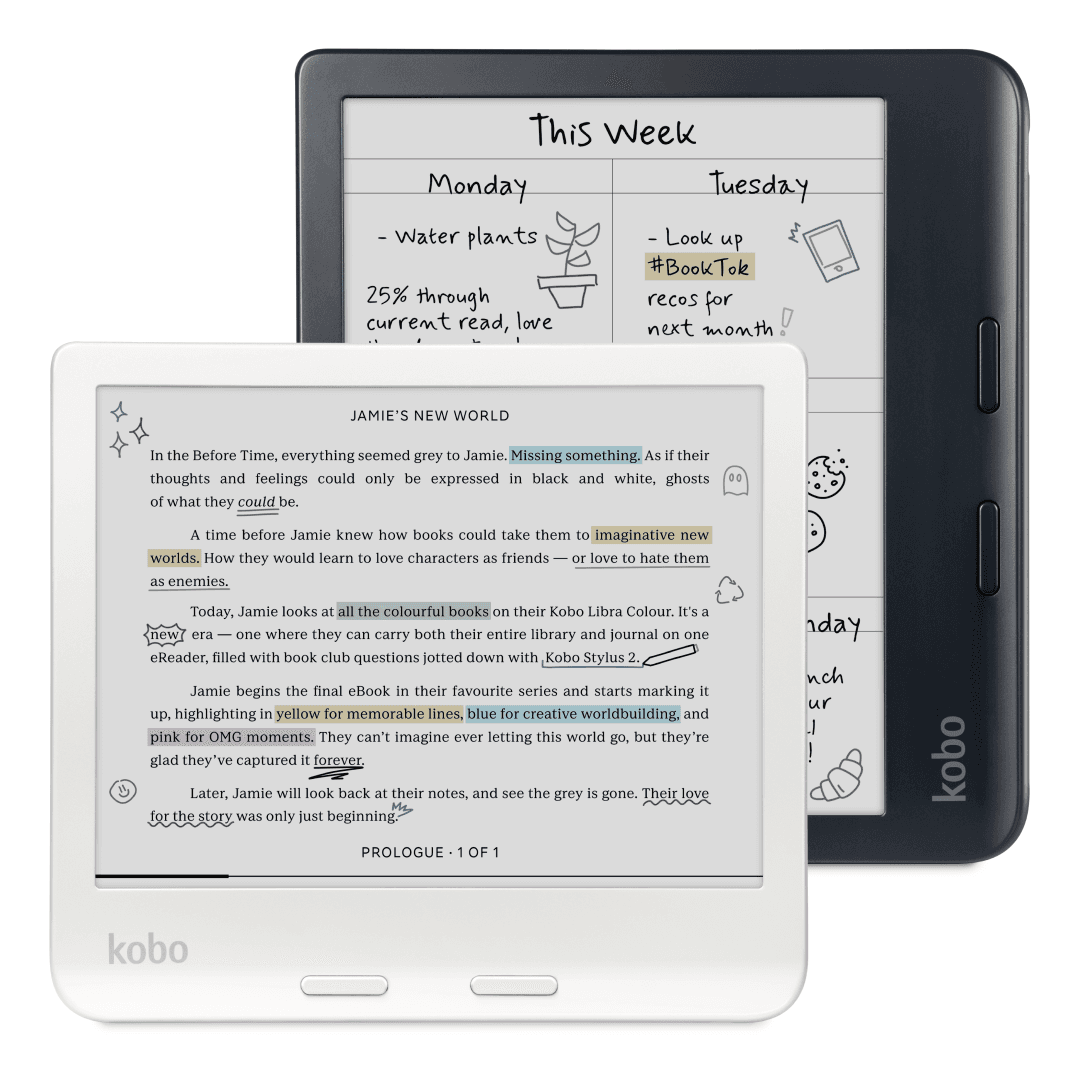
Kobo's Libra Colour discount just claws back the price hike it quietly slipped in weeks earlier
Kobo bumped the Libra Colour to $259.99, and now a coordinated sale brings it back to $229.99. Call it a deal if you want, but the math says you're paying yesterday's price.
audio
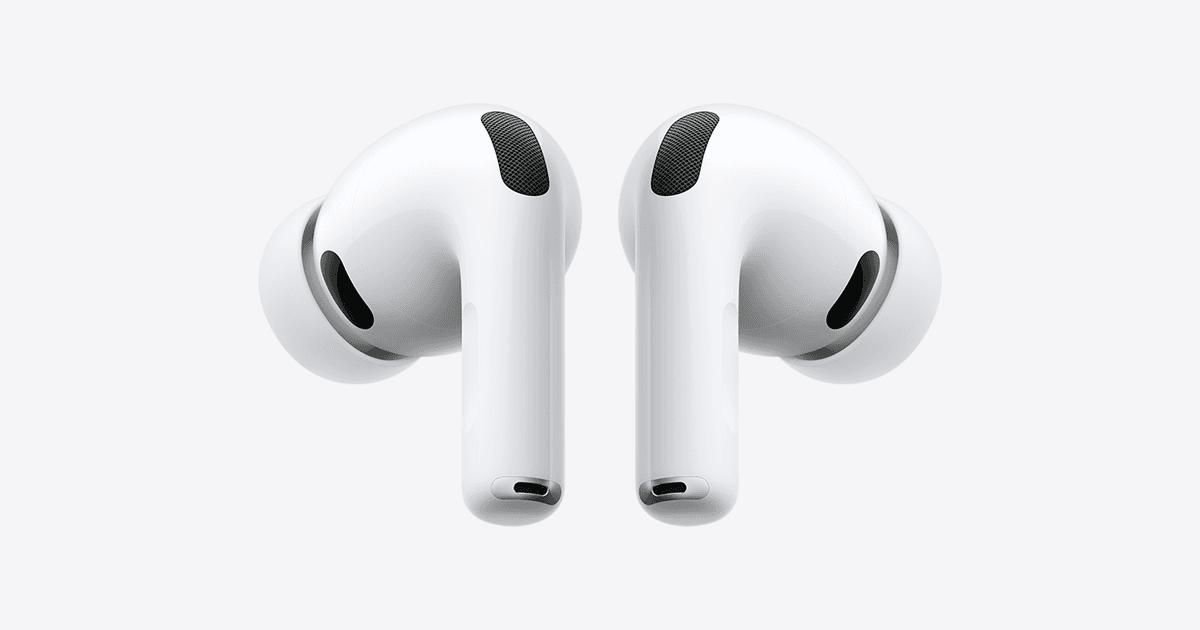
Why Apple's Next AirPods Could Quietly Become the Best Smart Glasses You'll Never Wear on Your Face
The most interesting smart glasses of the next few years might not sit on your nose at all. If the AirPods roadmap holds, Apple is building a face computer that hides in your ears.