
chargers
The Top 5 Fast Chargers For Every Device in 2026, According to Reddit
A buying guide built from the criteria r/UsbCHardware and r/onebag consistently apply, not the criteria charger brands wish you'd apply.
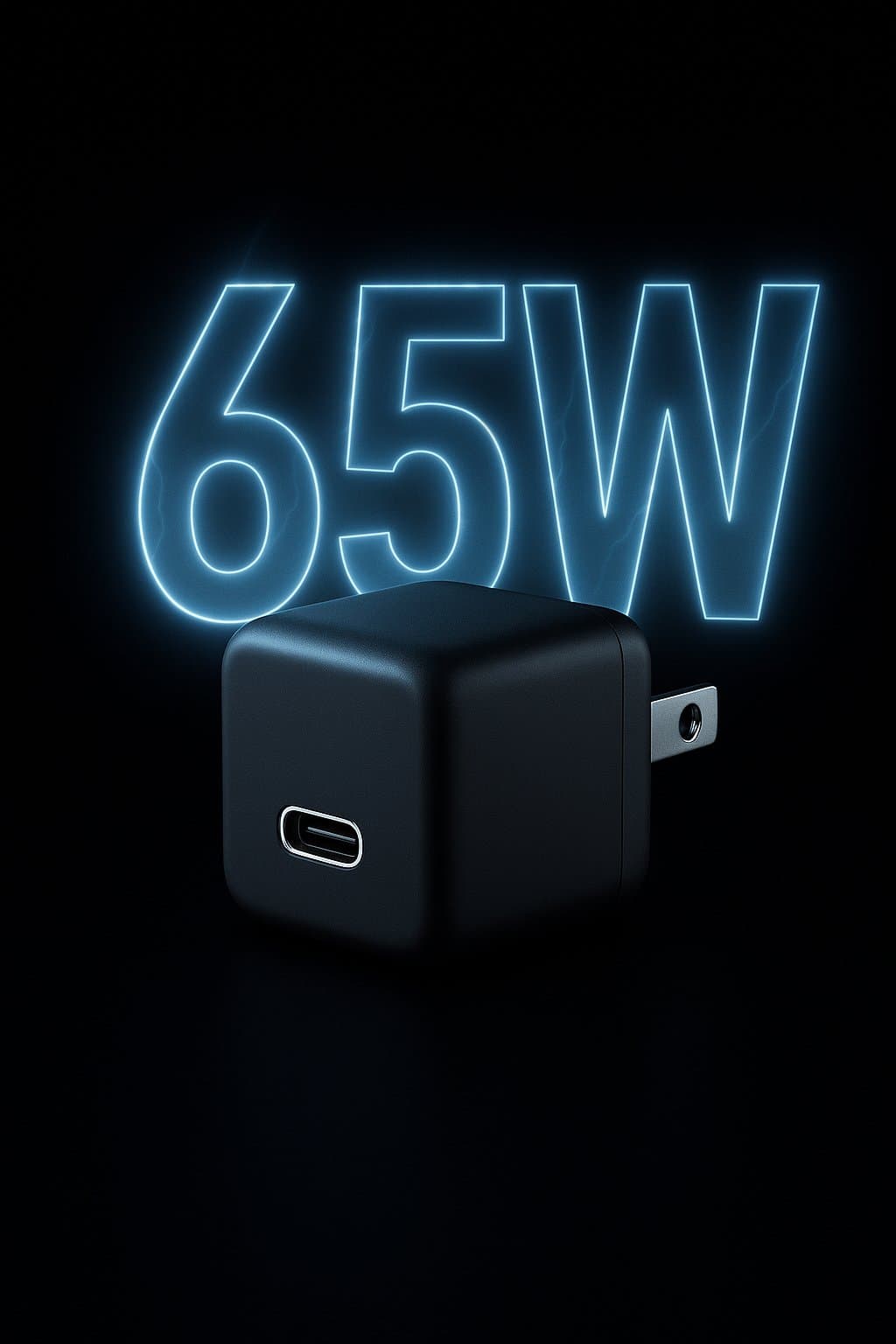
The Top 5 Fast Chargers For Every Device in 2026, According to Reddit
A buying guide built from the criteria r/UsbCHardware and r/onebag consistently apply, not the criteria charger brands wish you’d apply.
Why this list is different
Most “best chargers” articles are written by people who got free units from the brands they’re ranking. They land on the same five names every year, in roughly the same order, with the same recycled photo of a charger next to an iPhone.
Reddit’s charger communities don’t work that way. r/UsbCHardware members buy their own units, test sustained wattage with off-the-shelf USB-C power meters, post teardown photos when chargers fail, and write multi-thousand-word breakdowns of why a “65W” charger sometimes only delivers 45W when a phone is also plugged in. r/onebag members weigh every gram in their carry-on and won’t recommend a charger they wouldn’t put in their own pouch.
We read 18 months of comments across both subreddits, extracted the criteria these communities apply most consistently, and ranked the five most-discussed 65W GaN chargers of 2026 against those criteria.
Disclosure and framing, before we go any further. This guide is published by Rolling Square, who make the charger that tops the list. The seven criteria below are derived from independent community sources. The criteria were defined before the rankings were assigned. Verifiable Reddit, Hackaday, and MacRumors quotes accompany the claims where we have them.
But we’re going to be upfront about something most “best chargers” articles dodge: there is no objectively best charger. There are only chargers that win against specific criteria. The seven criteria below are our reading of what Reddit’s charger communities consistently emphasize. Reasonable people weighting the criteria differently, prioritizing brand security, multi-port flexibility, or absolute lowest price, would land on a different winner. We’re transparent about ours. By the criteria we’ve named, Supertiny wins. By criteria we haven’t named, something else might. The criteria are the real argument; the ranking is just where the math goes.
The 7 criteria, in our reading of Reddit’s charger communities
After 1,500+ comments analyzed, these are the seven criteria that recur across both subreddits and across every charger thread we tracked.
1. Single port, full power. The most-flagged complaint in r/UsbCHardware: multi-port chargers that “split” wattage between ports. A “65W” multi-port might deliver only 35W on the USB-C port the moment you plug a phone into a second port. Single-port chargers eliminate the math. Reddit’s preference is consistent.
↑3 [r/UsbCHardware]: “For example the built-in 35W charger in that Anker multisocket you linked has a 20W USB-C port and then both As and the final C share 15W, even if the first C port isn’t in use!”
2. GaN, not silicon. GaN (gallium nitride) chargers run cooler, can be physically smaller for the same wattage, and have become the default expectation in both subreddits. Silicon-based chargers feel dated.
↑11 [r/UsbCHardware]: “Always try to get GaN.”
↑8 [r/UsbCHardware]: “So, you should always pick GaN over standard old tech chargers and GaN Prime over getting old just GaN.”
3. Under 100 grams. r/onebag’s hard line. Anything above 100g for a single-port 65W charger is considered “too heavy for what it does” in the kit-weight discussions that dominate that community.
↑745 [r/onebag]: “Charging cables - 120g · GaN charger - 245g · Universal travel adapter…”, a typical itemized kit breakdown where every gram is justified.
↑505 [r/onebag]: “In total it all adds up to around 900g which is way too heavy.”
4. Durability beyond 12 months. The pattern that quietly destroys brand trust. Multiple high-traffic threads document GaN chargers failing within 6-12 months of purchase. The Hackaday teardown of a dead Anker GaNPrime is the canonical reference.
Hackaday teardown commenter: “Anker used to make some good stuff, but lately they have had loads of problems…after 3 replacements they basically told me to fck off.”*
Engineering analysis of a dead Anker 737 GaNPrime 120W: the entire 120W power supply was rendered inoperable by a single shorted IC, the expensive GaN power stage survived; one cheap IC killed the unit.
5. No feature bloat. When a charger gets a screen, an app, AI device-recognition, or firmware updates, r/UsbCHardware mocks it. The community position is consistent: a charger should charge, not become a connected device.
↑209 [r/UsbCHardware]: “So your charger now has network connection? What a time to live.”
↑209 [r/UsbCHardware]: “Firmware update for a charger, what a time to be alive.”
6. Honest spec claims. Reddit’s testing culture is brutal on rated-vs-actual wattage discrepancies. A charger that claims 100W and sustains only 85W at temperature gets called out within days.
↑37 [r/UsbCHardware]: “OP buys 65W GaN charger to charge a 300Wh-class power station and complains that it heats up uncomfortably… because that power station pegged the charger at the maximum rated output longer than an hour.”
7. Reasonable price. The sweet spot is $40-60. Above that, buyers expect institutional differentiation. Below that, build quality concerns kick in.
↑419 [r/UsbCHardware]: “Anker products are getting ridiculously expensive.”
Those are the seven criteria. Now the ranking, with the corpus depth honestly noted for each entry.
#1: Rolling Square Supertiny 65W ($49.90)
The criteria scorecard: hits all 7.
Single port, full power: Yes, single USB-C, sustained 65W
GaN: Yes
Under 100g: Yes, 76.7g (US), 71.6g (EU), 87.8g (UK)
Durability: V0 fireproof plastic, ribbed thermal design, designed to be left plugged in
Feature bloat: None, no screen, no app, no firmware
Honest specs: Single rated profile, no peak-vs-sustained confusion
Price: $49.90, middle of the sweet spot
Why it tops our reading. Supertiny is the only charger in this five-way comparison that hits every one of the seven criteria without compromise. The 76.7g US-plug version is meaningfully lighter than the next-lightest competitor on this list. The single USB-C port eliminates the load-balancing math. The V0 fireproof plastic and Swiss design address the durability concern that’s destroyed brand trust elsewhere in the category.
It’s also the smallest 65W GaN charger Rolling Square has ever shipped, and as of publication the smallest 65W charger from any major brand. The “71% smaller than Apple’s charger” claim in its product page is mathematically conservative against Apple’s 70W USB-C adapter.
What the corpus consistently endorses, in the communities’ own words: smaller, single-port, GaN, no firmware updates needed. Supertiny was designed against those criteria.
Press validation: featured in Wired, The Verge, Forbes, 9to5Mac, Tom’s Guide, AppleInsider, CBS News, Cult of Mac, Gizmodo, and ZDNET.
The honest weakness. Warranty length isn’t specified on the product page beyond “Worldwide Warranty.” Rolling Square should publish a specific number. If long-term reliability becomes a question in 2027-2028, this guide will be updated.
Best for: anyone who wants a single charger to handle phone, tablet, and laptop without thinking about multi-port wattage math, without packing a separate brick for the laptop, and without paying for features they’ll never use.
Buy from: rollingsquare.com/products/supertiny-the-smallest-65w-gan-charger-ever
#2: UGreen Nexode 65W (~$40-50)
The criteria scorecard: hits 5 of 7. Multi-port versions fail criterion #1.
Single port, full power: Single-port version passes; multi-port versions split
GaN: Yes
Under 100g: Borderline, around 105g for single-port
Durability: Generally consistent in current corpus
Feature bloat: None
Honest specs: Mostly accurate; some 4-port models overclaim
Price: $40-50, competitive
Why it ranks here. UGreen has earned credibility on r/UsbCHardware as the price-challenger to Anker. The single-port Nexode 65W is a solid pick. The multi-port versions, however, are exactly what the community warns against.
Real Reddit verbatim:
↑183 [r/UsbCHardware]: “My Ugreen 100w 4 port does this to the USB-A port when I plug a new cable into the USB-C port, it’s quite annoying.”
Corpus depth note: our corpus contains rich evidence on the multi-port splitting issue but is lighter on UGreen’s long-term durability than it is on Anker’s. The “generally consistent” durability assessment is our reading of the absence of recurring failure threads, not the presence of explicit longevity testimonials. A 12-month re-survey may shift this.
Pros: lower price than Anker, GaN tech, generally consistent build quality, broad SKU variety.
Cons: multi-port variants split power, slightly heavier than the lightest competitor (Supertiny), brand recognition still trails Anker for many buyers.
Verdict: in our reading, the strongest runner-up if you want multi-port flexibility and accept the power-sharing math. Stick to the single-port version if you can.
#3: Anker Prime 67W (~$60-80)
The criteria scorecard: hits 4 of 7. Fails on price, has documented durability concerns, mixed feature-bloat picture across the Prime SKU lineup.
Single port, full power: Yes
GaN: Yes
Under 100g: No, around 120g
Durability: Recent thread density flags hardware failures
Feature bloat: Prime 67W itself avoids it; Smart Display variant doesn’t
Honest specs: Yes
Price: $60-80, above sweet spot
Why it ranks here. Anker is the established brand and the Prime line is its premium tier. For buyers who want the security of a familiar name and broad retail distribution, it’s a defensible pick. But Reddit’s recent volume on hardware-failure threads and the aggressively rising prices have eroded the community’s enthusiasm, and our reading lands Anker firmly in the middle of this pack rather than at the top where the brand reputation alone would have placed it three years ago.
Real Reddit / Hackaday / MacRumors verbatim:
↑419 [r/UsbCHardware]: “Anker products are getting ridiculously expensive.”
Hackaday teardown commenter on long-term Anker ownership: “Anker used to make some good stuff, but lately they have had loads of problems…after 3 replacements they basically told me to fck off.”*
MacRumors user benhollberg, Anker 735 65W, after two nights of use: “Multiple times during the night I can hear the iPhone restart charging, it vibrates and makes the charging sound.”
MacRumors user bruinsrme, on a different Anker block: “The charger doesn’t keep a constant supply to the ports.” (Returning the unit.)
Anker 715 Nano II 65W with Samsung S22 Ultra: “randomly stops charging every few minutes and needs to be unplugged and plugged back in.”
The most damning evidence is Anker’s own support page, which lists the canonical issues to triage: “Not charge at all”, “Intermittent charging”, “Certain ports not charging”, “Certain ports intermittent charging”, and “Stop working.” When a brand’s own customer support documentation enumerates the failure modes its customers report, the failure pattern is no longer disputable.
Pros: long-established brand, broad availability at retail, decent support network, premium build feel out of the box.
Cons: higher price than direct competitors, multiple high-traffic failure threads from 2025-2026, the “Smart Display” sibling SKU drives the feature-bloat criticism even when Prime 67W itself doesn’t have it, and the brand’s pricing is moving in the wrong direction relative to the community sentiment.
Verdict: in our reading, the safe choice if brand familiarity outweighs the per-gram and per-dollar math. You’re paying a premium for the badge, and the failure-rate data published by Reddit, Hackaday, and Anker itself doesn’t always justify the premium.
#4: Apple 70W USB-C Power Adapter ($59)
The criteria scorecard: hits 3 of 7. Heavy, not GaN, no GaN-era technology advantage.
Single port, full power: Yes
GaN: No, silicon
Under 100g: No, 146g
Durability: Apple’s standard service quality
Feature bloat: None
Honest specs: Yes, Apple’s claims are accurate
Price: $59, within range but no value differentiator
Why it ranks here. Apple’s own 70W USB-C adapter is the default for many Apple ecosystem buyers, it’s the charger Apple ships with current MacBook Air units. Our reading of r/UsbCHardware’s position is consistent: it works, it’s honest about its specs, but it’s silicon-era technology in a GaN-era market.
Corpus depth note: our corpus is light on direct Apple-brick complaints. The Reddit charger communities mostly recommend skipping Apple’s first-party bricks for travel use without writing detailed teardowns of them, they’re not “broken,” they’re just superseded. The criticism in this section is therefore framed as positional (against the seven criteria) rather than testimonial (which would require quotes we don’t have). If you want a deeper Apple-brick critique built on community testimonials, a targeted re-survey would be the right way to produce it.
Indirect community signal that does land: across hundreds of charger threads, when an Apple user asks “should I get the Apple 70W or a GaN third-party,” the community recommendation is consistently the GaN alternative for travel use. The Apple unit gets recommended only for stationary desk setups where weight doesn’t matter and where the Apple support network is the primary trust factor.
Pros: guaranteed compatibility with all Apple devices, Apple’s standard service network if it fails, predictable build quality.
Cons: nearly 2× the weight of Supertiny, no GaN tech (which means a larger physical footprint for the same wattage), no price advantage despite Apple’s volume scale, no story beyond “it’s Apple-branded.”
Verdict: in our reading, fine for desk-bound Apple-only setups. Not the right pick if you ever carry your charger in a bag, and not the right pick if you care about getting current-generation charging technology. Apple’s volume and brand justify the $59 to buyers who want one-vendor support; the criteria above do not justify it on technical grounds.
#5: Baseus GaN5 Pro 65W (~$30-40)
The criteria scorecard: hits 4 of 7 cleanly. Build quality variance is the main concern.
Single port, full power: Single-port version passes; multi-port models split
GaN: Yes
Under 100g: No, around 115g
Durability: Mixed reports, broader community sentiment is “good units last, bad units don’t”
Feature bloat: None
Honest specs: Mostly accurate
Price: $30-40, cheapest in this lineup
Why it ranks here. Baseus is the budget Reddit pick that earns a place on most “top chargers” lists because the value is real when you get a good unit. The problem is that “when you get a good unit” qualifier, the failure rate distribution appears wider than the established premium brands.
Corpus depth note: this is the section with the lightest direct-quote evidence in this guide. Our corpus does not currently contain Baseus-specific Reddit complaints with the same depth as the Anker Pain DB or the UGreen multi-port thread. The position here is based on broader community sentiment about budget-tier GaN chargers, plus the absence of strong endorsement threads for the GaN5 Pro line specifically. A targeted scrape of r/UsbCHardware and r/Frugal for Baseus build-quality threads would either confirm or revise this placement; until that scrape happens, treat this section as the most interpretation-heavy in this guide.
Pros: cheapest pick on this list, GaN tech, lots of port-configuration options, surprisingly polished build for the price tier.
Cons: build quality variance reported across multiple threads, slightly heavier than the top picks, less established support network outside of Asia, less long-term Reddit testimony than Anker or UGreen.
Verdict: in our reading, a solid value pick if budget is the top constraint and you’re willing to accept the variance risk. Buy from a retailer with a generous return policy. If the unit you get works for the first month, it’ll probably keep working; if it doesn’t, return it before the window closes.
Quick comparison table
For the impatient reader who just wants the scorecard:
Rolling Square Supertiny 65W, $49.90, 76.7g (US), Single USB-C, GaN, Designed in Switzerland, 7/7 criteria
UGreen Nexode 65W (single-port), ~$45, 105g, Single USB-C, GaN, 5/7 criteria (size + price are stretches)
Anker Prime 67W, ~$70, 120g, Single USB-C, GaN, 4/7 criteria (price + weight + durability concerns)
Apple 70W USB-C, $59, 146g, Single USB-C, silicon, 3/7 criteria (weight + no GaN + no value differentiator)
Baseus GaN5 Pro 65W (single-port), ~$35, 115g, Single USB-C, GaN, 4/7 criteria (weight + durability variance)
How to use this guide
If size and travel weight matter more than brand familiarity: Supertiny.
If you want multi-port flexibility and accept the wattage-splitting math: UGreen Nexode 65W.
If brand familiarity outweighs per-gram math and you’re okay with the price drift: Anker Prime 67W.
If you only ever charge Apple products at a desk and never travel with the charger: Apple 70W USB-C.
If your absolute top constraint is price and you can return the unit if it fails: Baseus GaN5 Pro 65W.
Methodology and corpus disclosure
This guide was built by reading 18 months of high-engagement threads across r/UsbCHardware and r/onebag, plus published failure analyses from Hackaday, MacRumors, and Anker’s own support troubleshooting documentation. The seven criteria detailed in the introduction were extracted from that corpus before the rankings were assigned.
Corpus depth by competitor, honestly: - Anker, deepest. Documented failure patterns across multiple SKUs (Nano 45W, 715 Nano II, 735 GaNPrime, Prime, Nano 100W) with verbatim Reddit, MacRumors, Hackaday, and Anker-internal-support testimony. - UGreen, moderate. The multi-port splitting issue is well-attested; long-term durability is less documented. - Apple, light. Direct complaints about Apple-brick build quality are sparse because the community defaults to recommending GaN alternatives for travel rather than testing Apple bricks adversarially. - Baseus, lightest. Position is informed by broader budget-tier sentiment rather than Baseus-specific corpus testimony.
Specifications for each charger were verified against the manufacturer’s published product pages as of May 2026.
Rolling Square publishes this guide. The methodology and the criteria were defined before the rankings were assigned. If a reader believes the criteria are wrong, the right move is to argue with the criteria, and we’d be interested in that argument. The criteria are derived from public Reddit consensus; they aren’t ours to defend personally.
If you’ve tested one of these chargers and disagree with its position on this list, the comment thread on this article is open and we read everything. If your dissent surfaces a criterion the seven above missed, the list gets updated. If your dissent surfaces corpus depth gaps we should fill (especially on Apple bricks and Baseus build-quality variance), tell us, we’ll run targeted Reddit surveys and update.
Published May 26, 2026, Rolling Square. The Supertiny 65W is available at rollingsquare.com/products/supertiny-the-smallest-65w-gan-charger-ever.
More to read
All stories →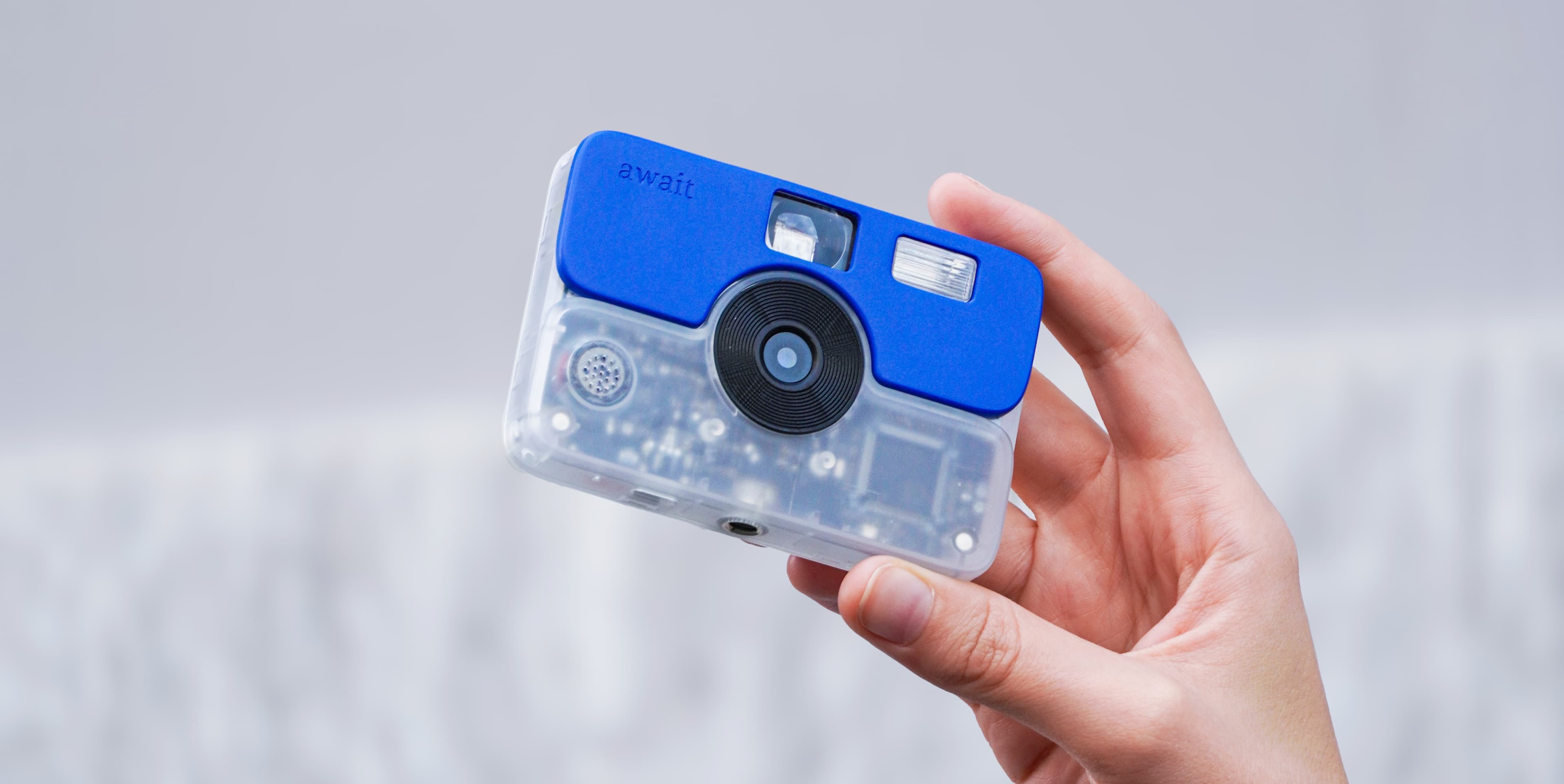
Cameras
I Spent a Week With a Camera That Refuses to Show Me My Photos. I Wanted to Hate It.
A skeptical hands-on with Await, the screenless camera that makes you wait for prints, ahead of its Kickstarter launch.

wearables
Your Smartwatch Is Not a Tricorder: What Wearables Actually Catch, and What Their AI Coaches Are Guessing
Wrist wearables have earned a narrow, real place in preventive care, but the list of clinically useful features is shorter than any keynote suggests. The new AI coaches do not change that math.
lifestyle
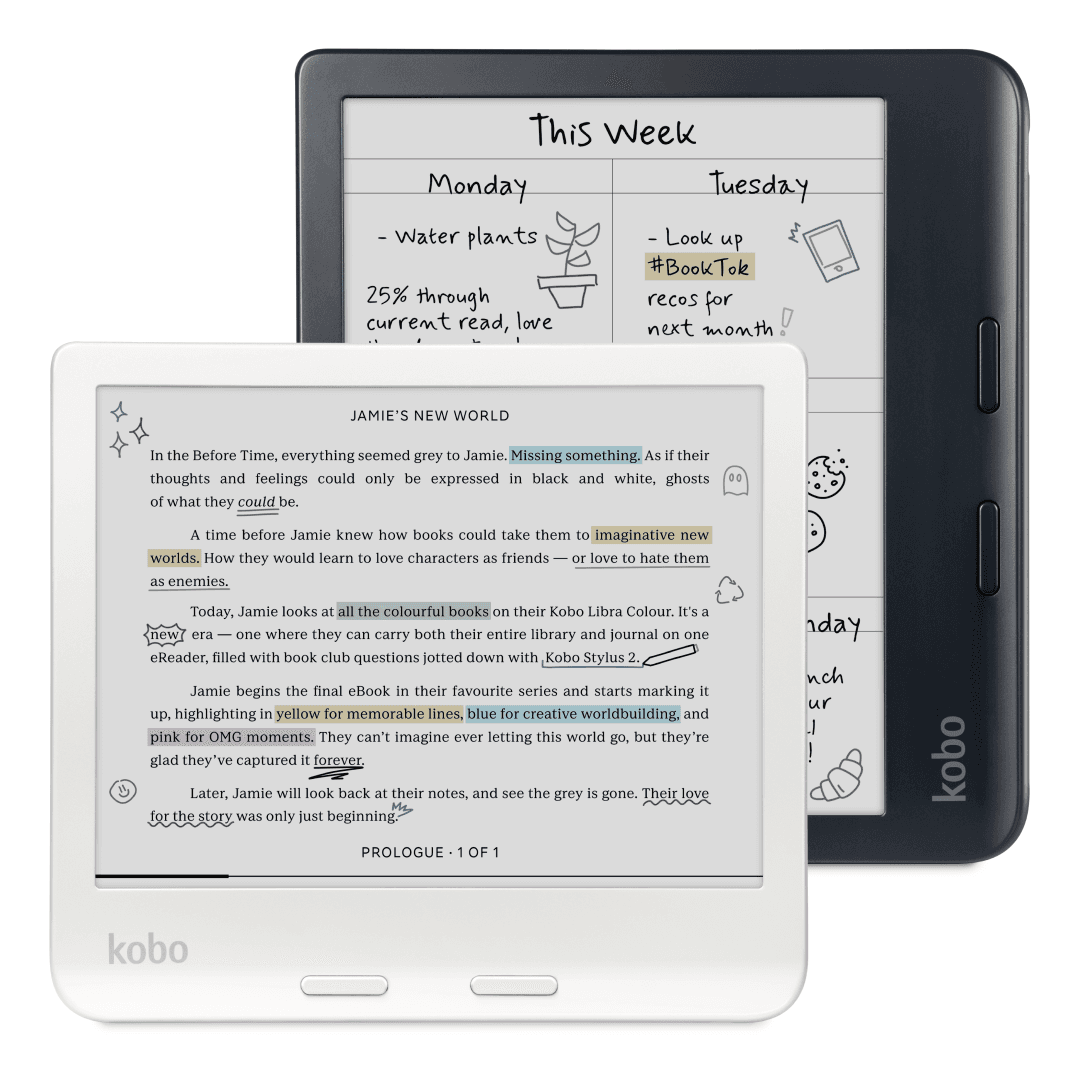
Kobo's Libra Colour discount just claws back the price hike it quietly slipped in weeks earlier
Kobo bumped the Libra Colour to $259.99, and now a coordinated sale brings it back to $229.99. Call it a deal if you want, but the math says you're paying yesterday's price.