
drones
France's Deep-6000 Floats Push Argo's Ocean Sensor Fleet Toward Full Abyssal Coverage by 2028
Thirty new French-built drones will chase the ten percent of ocean warming happening below the current fleet's floor.
The impressive number in the headlines is 98 percent. The more honest number is ten. That is roughly how much of the ocean's warming is happening below 4,000 meters, out of reach of the 4,000-strong Argo float fleet that has been quietly producing most of the world's ocean data since 1999. Everything above that depth is well instrumented. Everything below it is a rounding error we have been guessing at for two decades.
Ifremer, France's state ocean agency, wants to close that gap with a drone called the Deep-6000. Two prototypes completed five dives to 6,000 meters between January 11 and February 2 this year, making France the third country after the United States and China to field an Argo float rated for the abyssal zone. The US already runs more than 100 deep floats. China has more than thirty. France plans to add another 30 by 2028, which is what pushes total Argo coverage past 98 percent of ocean volume.
The engineering constraint is brutal and worth spelling out. At 6,000 meters the hull sees roughly 600 atmospheres. Ifremer solved that not with a solid titanium pressure vessel but with composite materials, and the result weighs 88 pounds, about twice a standard Argo float. Each unit is expected to run seven years on its battery, cycling roughly 150 times: nine days drifting, three hours profiling, then a surface burst to satellite.
The unglamorous part nobody mentions: 30 floats is a tiny sample for 90 percent of the ocean by volume, and Argo's real strength has always been density, not reach. Coverage on a map is not the same as resolution in the water. Still, salinity, temperature, oxygen and pressure data from the deep is data we simply did not have, and every profile is freely published. Full technical details on the Deep-6000 program are on Ifremer's site.
More to read
All stories →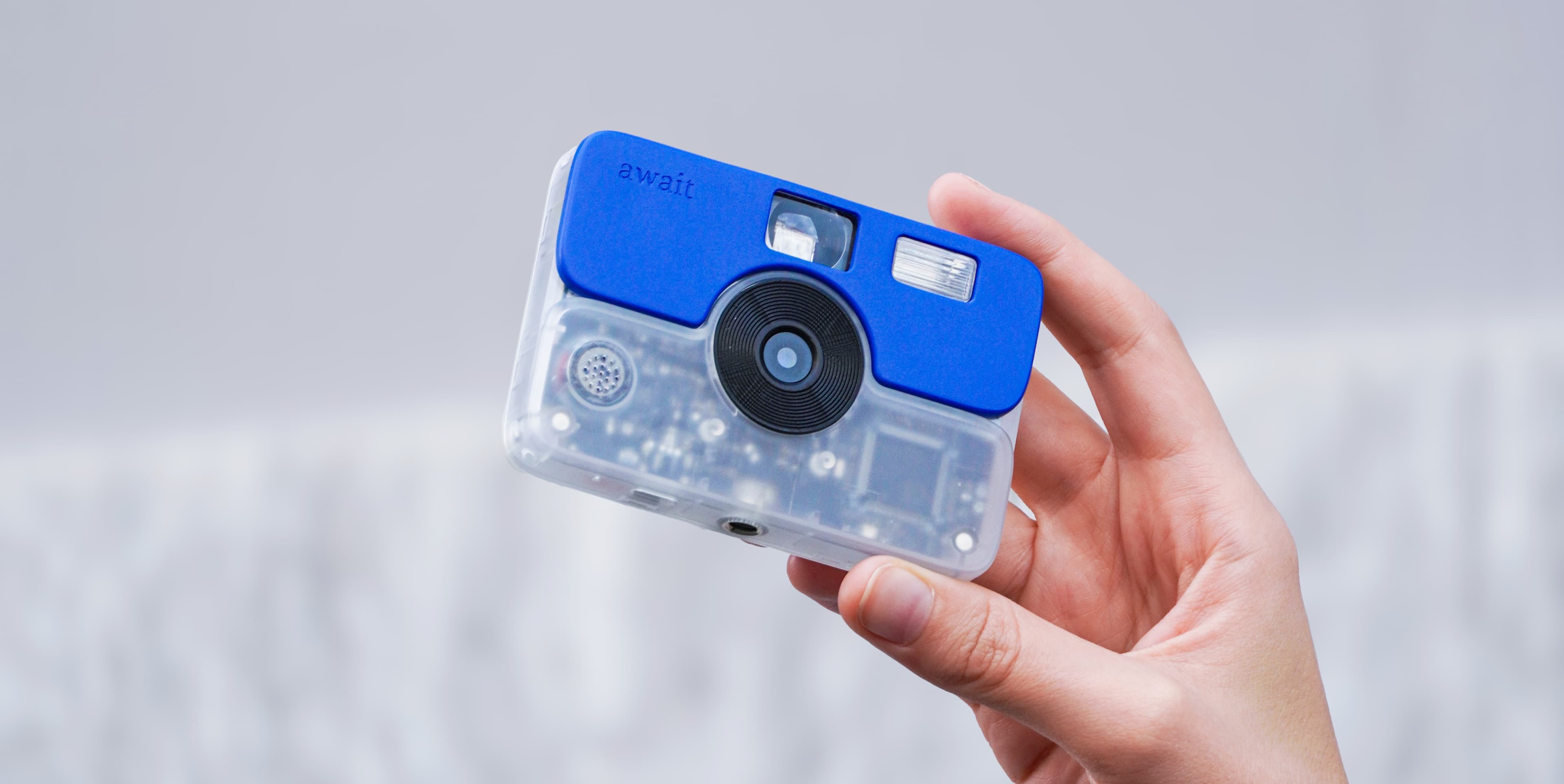
Cameras
I Spent a Week With a Camera That Refuses to Show Me My Photos. I Wanted to Hate It.
A skeptical hands-on with Await, the screenless camera that makes you wait for prints, ahead of its Kickstarter launch.

wearables
Your Smartwatch Is Not a Tricorder: What Wearables Actually Catch, and What Their AI Coaches Are Guessing
Wrist wearables have earned a narrow, real place in preventive care, but the list of clinically useful features is shorter than any keynote suggests. The new AI coaches do not change that math.
lifestyle
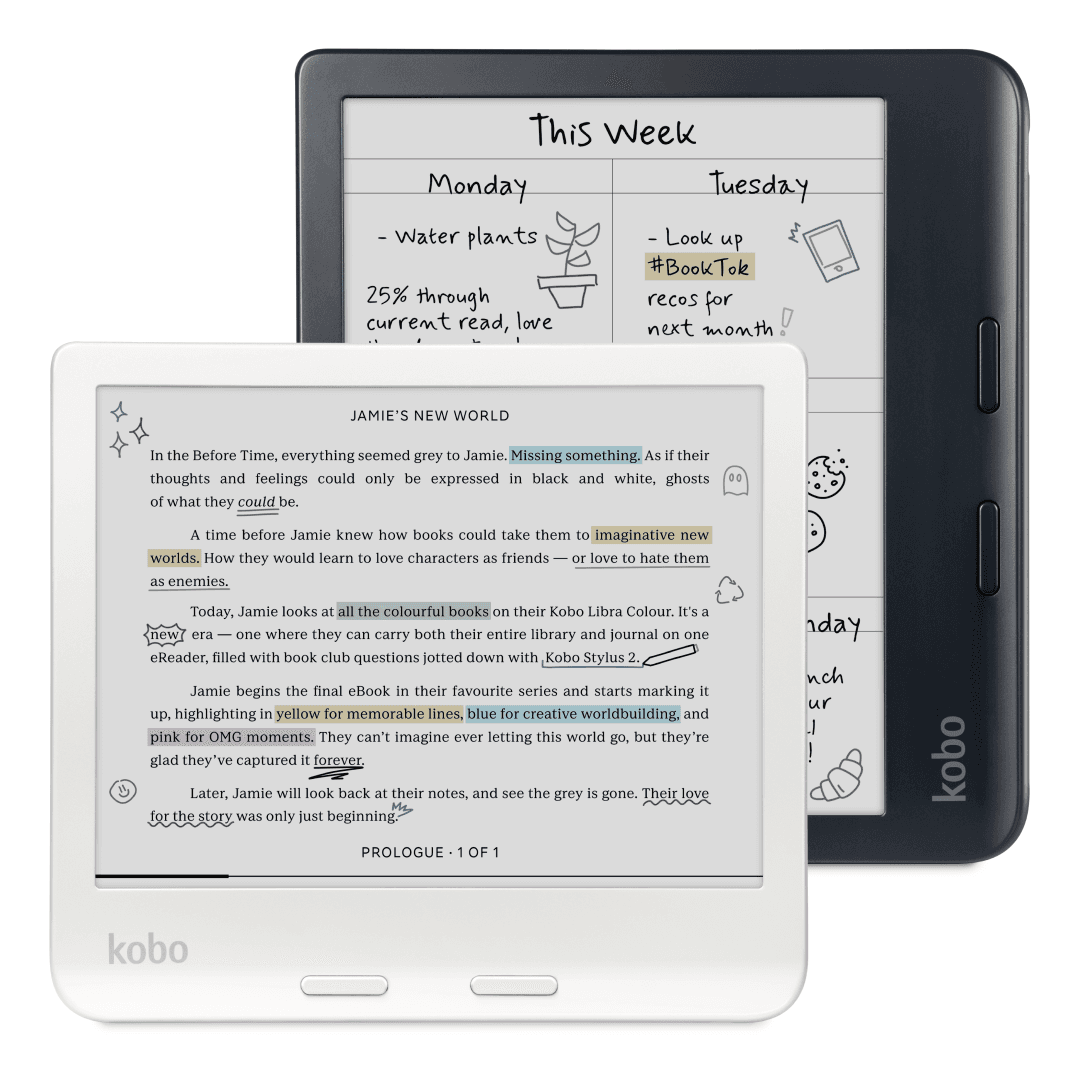
Kobo's Libra Colour discount just claws back the price hike it quietly slipped in weeks earlier
Kobo bumped the Libra Colour to $259.99, and now a coordinated sale brings it back to $229.99. Call it a deal if you want, but the math says you're paying yesterday's price.